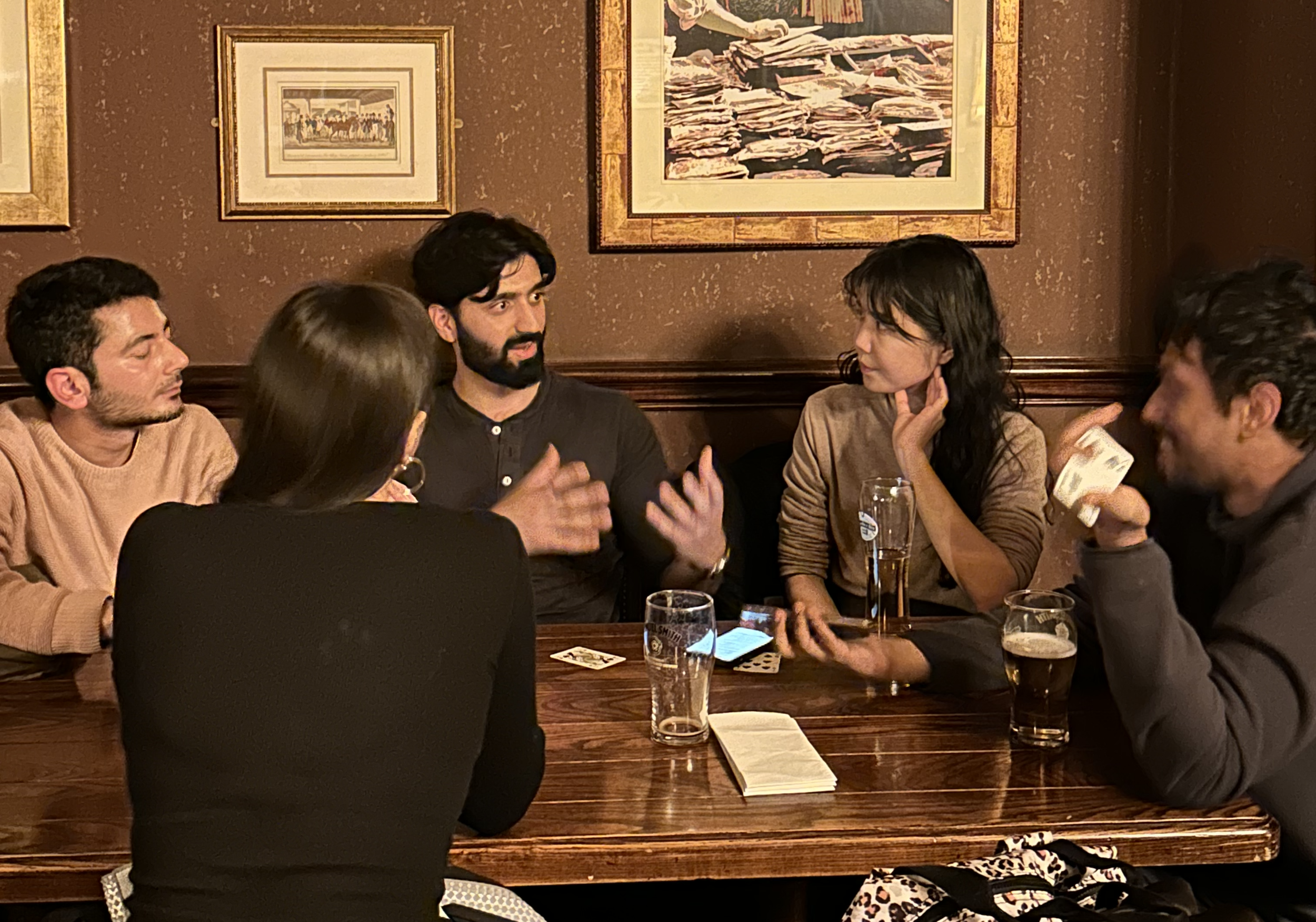
N.B. We have made a tiny edit to our name, from Thought Experiments in Pubs —> Thought Experiments in Public
This is to reflect the many places in which we now gather (e.g. parks, cafés, galleries, etc.), and to be more welcoming to those who prefer to avoid alcohol-focussed environments.
We still love pubs, and the informal, inclusive vibe they represent, but there are many other places with similar vibes to explore. So we’ll see you in the pub and elsewhere :-)
(You may still see “Thought Experiments in Pubs” listed here and there as we slowly update things.)
TEiP HERTFORDSHIRE
LOVE
By Sharda Dean & Bonny Astor

1 LOVE AT FIRST SIGHT
Zahra is at a party.
She notices a man across the room. He’s not particularly handsome, but there’s something about him that piques her interest.
At that moment he turns towards her and their eyes meet.
Twenty minutes later they start talking.
Fifty years later, they are still together and very happy.
When Zahra tells her grandchildren the story of how they met, she always says:
“I knew straight away that he was the one.”
QUESTIONS TO CONSIDER
Do you believe in ‘the one’?
Do romantic stories such as Cinderella, Pride and Prejudice or romcoms help or hinder us from finding long lasting love?
How much of falling in love is about the other person, and how much is about the story we create about who we imagine them to be?
Why might people sometimes fall in love with someone who is clearly ‘wrong’ for them?
Do you believe in love at first sight? If so, how or why do you think it works? If you don’t believe in it, why not?
Is love blind? Does it make us see people more truthfully—or does it make us less objective?
Can you fall in love with someone you barely know? Have you had this experience? How do you look back on it? [No pressure to share, only if you would like to].
If Zahra’s relationship had been short lived, would she remember their meeting differently? Might ‘love at first sight’ be a trick of the memory?
Might Zahra’s early belief in the relationship have helped to shape its success? What role does belief play in how long a relationship might last?
Thought Experiment by: Sharda Dean
2 BEFORE YOU LOVE ANYONE ELSE…
Ian has been through a difficult breakup.
After a couple of months of stewing, he’s decided that he needs to move on.
He’s got a lot of advice from different people about how to do this. One phrase keeps coming up:
Before you can love anyone else, you have to love yourself.
Ian’s not sure what it means to “love yourself”, and how important “loving yourself” is for finding love.
He brings it up at the pub with a group of friends (including you).
“I keep hearing this phrase: “You’ve got to love yourself first.” I don’t know. Do you guys think that’s true?”
Marie says, “100%. If you don’t love yourself, how can you expect anyone else to love you? You need to feel worthy of love before you can be loved.”
Kate says, “I don’t think that’s what it means. I think it means that in order to give love to other people, you need to know how to love yourself first.”
Hassan says, “I think you can love someone else before you love yourself. Falling in love saved me. I was in a dark place and then I met Julia. She gave me a reason to make my life better. I started going to the gym every day, eating more healthily and getting more sleep. I wanted to be the kind of guy that Julia would fall in love with. In the end, it didn’t matter that she didn’t want to be with me. I was a better version of myself and I still am. I would love to fall in love again and to have someone fall in love with me because I know what a powerful force for good it can be.”
Zak says, “I think people can love themselves too much, and that can get in the way of finding love. We live in an age where ‘self care’ is prioritised above all else, and where people are getting their every opinion validated by ChatGPT. Being in a relationship is all about compromise and sharing and fairness. If someone loves themselves too much, it’s a bit narcissistic, they won’t be able to love another person fully.”
Ian looks thoughtful. He says, “These are exactly the thoughts that have been swirling round my mind. This is why I’m not sure about the phrase.”
He pauses and looks at you and says, “What do you think? Should I try and love myself more before looking for love? Or should I look for love first, like Hassan?”
QUESTIONS TO CONSIDER:
Do you have to love yourself before you can love anyone else?
Does anyone truly love themselves and would you want to be with someone who did?
Could loving yourself get in the way of loving someone else?
What do you think of the various perspectives of your friends in the story? Whose viewpoint resonates with you the most (if any)?
Have you changed because of being in love or because of being loved? Was the change you experienced good or bad? What determines which it is?
If you had to choose between a life in which you were deeply loved but never fell deeply in love yourself; or a life in which you experienced intense love for someone but it was not reciprocated to the same degree, which would you choose? Why?
If Ian decides he does want to love himself more, how should he go about doing so?
Thought Experiment by Bonny Astor (TEiP Founder), lightly adapted by Sharda Dean. You can read more of Bonny’s thought experiments and other writing here.
3 QUESTIONS TO FALL IN LOVE TO
You attend a new type of Meet-up event. You are paired at random with a complete stranger. Neither of you knows anything about the other. You are given a list of questions. The one condition of participation in the event is that you must both answer every question honestly and you must go through the list of questions in order.
At first the questions are pretty ordinary:
“If you could invite anyone in the world to dinner, who would you choose?”
Then the questions gradually become more personal:
“What is your greatest fear?”
“What is something you have never told anyone?”
“What is one thing you would like your partner to know about you?”
At the end of the event the organiser tells you that this procedure has been shown to produce significantly greater feelings of interpersonal closeness than ordinary small talk.
When you get home, you tell your flatmate, “I think I’ve fallen in love.”
QUESTIONS FOR DISCUSSION
How do you explain what has happened, have you discovered love with a kindred spirit (someone that you might have fallen in love with anyway) or have you created love (that otherwise wouldn’t have existed) by sharing your deepest, thoughts, feelings and fears?
What does this experiment tell us, if anything, about how love might work?
If love was something that two people gradually created through the way they treated one another, how would this change how we go about finding love? For example, if you were designing a dating app that actually helped people to fall in love, how would you do it?
If you love someone for who they are, what happens when they become someone else?
A wise old lady gives you two pills. One guarantees a long, happy and stable marriage which is at times a little boring. The other pill guarantees a long, tempestuous and passionate relationship full of ups and downs but never boring, which would you take? Which sounds more like ‘love’ to you?
Do you think love comes more easily to some people than others, or does everyone have an equal chance of love?
In the story, we do not learn anything about the stranger you think you’ve fallen in love with. In this situation, do you think you would be less likely to fall in love with someone if they were a very different age, not the gender you usually date, or very different in terms of personality? Or would the sense of closeness created by the questions override the factors you might usually consider ‘must haves’.
If neither party in the story had been encouraged to be honest, do you think this would lower the chances of creating closeness? Why or why not?
If you knew how to make someone fall in love with you, would you value love less? Would you value it at all? Do we value love because it’s useful, enjoyable or because it’s rare?
Thought Experiment by: Sharda Dean, inspired by a Thought Experiment by Bonny Astor.
Note: The original experiment by Aron et al. (1997) found that pairs of previously unacquainted people who spent about 45 minutes answering a series of increasingly personal questions reported significantly greater interpersonal closeness than pairs who instead engaged in ordinary small talk. The experiment was not about ‘finding love’ but more about generating closeness. So I have used some artistic licence here in line with media coverage of this experiment, which suggested it was a formula for finding love, for example: https://www.verywellmind.com/unpacking-the-36-questions-that-lead-to-love-8559179
Aron, A., Melinat, E., Aron, E. N., Vallone, R. D., & Bator, R. J. (1997). The Experimental Generation of Interpersonal Closeness: A Procedure and Some Preliminary Findings. Personality and Social Psychology Bulletin, 23(4), 363-377. https://doi.org/10.1177/0146167297234003
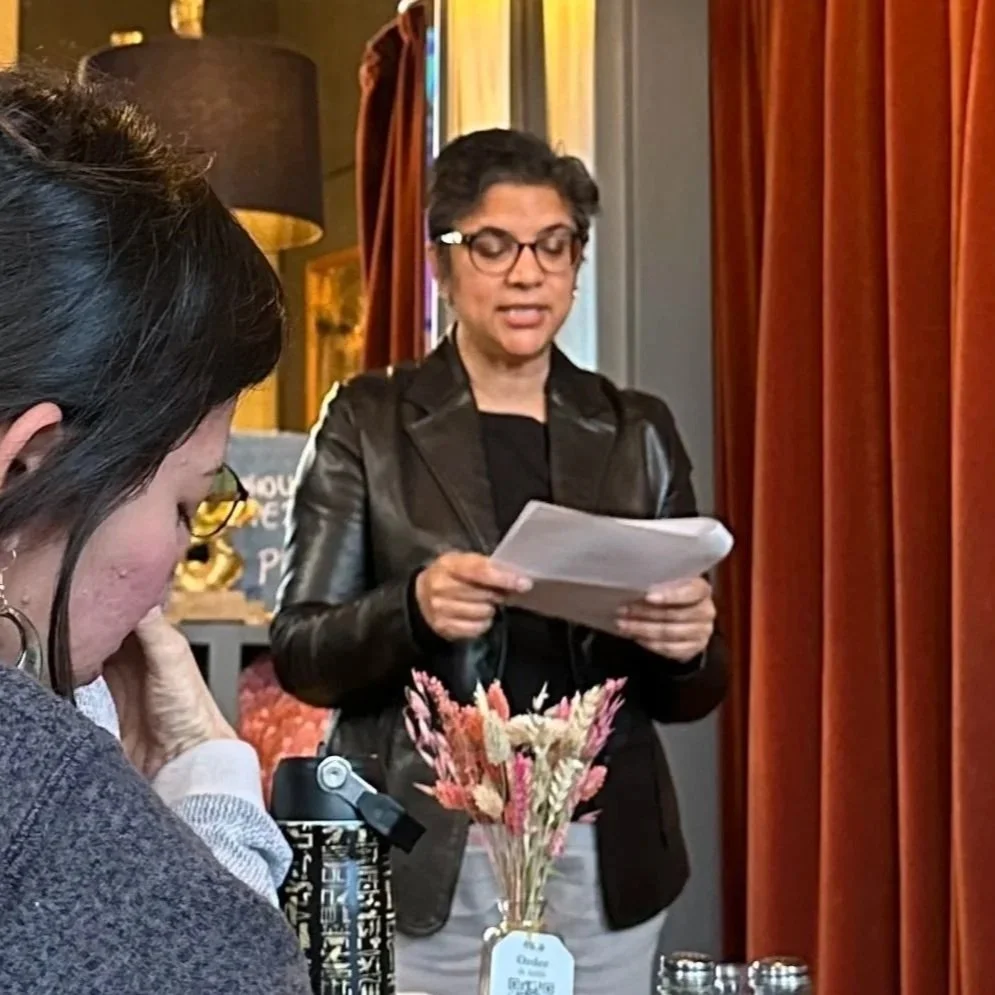
THE AUTHORS OF TONIGHT’S THOUGHT EXPERIMENTS
Sharda Dean is an economist, wedding celebrant and community builder who lives in Potters Bar in Hertfordshire.
She runs ‘Thought Experiments in Pubs (TEiP) - Hertfordshire’, part of the THOUGHT EXPERIMENTS IN PUBLIC (TEiP) network founded by Bonny Astor.
Sharda has been an active and valued member of the TEiP London community since 2025 and has contributed original thought experiments to London events.
In writing thought experiments, Sharda draws inspiration from all the love, loss, joy, heartbreak and the occasional bout of rage she has experienced in her 50+ years. She also reads widely, listens to a lot of Radio 4, has three sons and three degrees in economics.
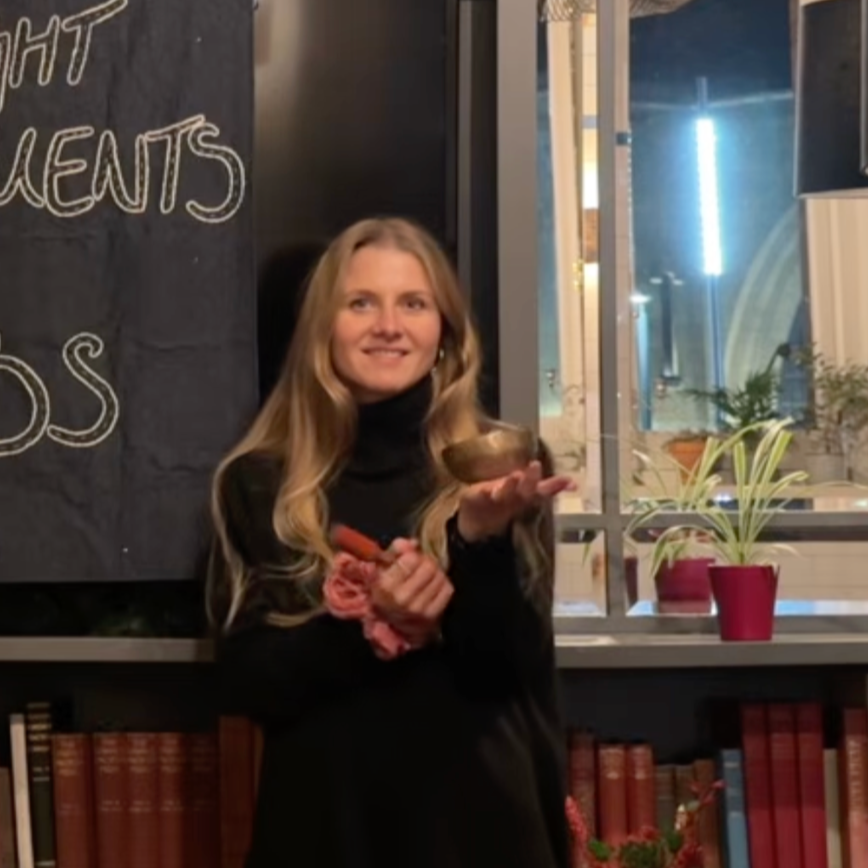
Bonny Astor founded TEiP (THOUGHT EXPERIMENTS IN PUBLIC) in February 2023, inspired by her past work in Pentonville Prison and her desire to have interesting conversations with strangers.
The most important principle for Bonny: Everyone welcome - the more perspectives, the more interesting the conversations.
Over the past 3 and a half years, TEiP London has become a thriving community, with many community members becoming guest authors and collaborators, and some even becoming licensed TEiP hosts.
Bonny has written over 300 original thought experiments inspired by everything from memes to academic papers, personal experience to pure imagination, music to science. You can read more about why she loves writing them here, and if you’d like to learn her process, she runs regular Thought Experiment Writing Workshops in Central London.
KEEP IN TOUCH
Join the list for updates about the wider TEiP network. (Minimal comms, unsubscribe anytime).